
Pelvic Floor Therapy in Aurora
Feel More Comfortable in Your Body.
Understanding your pelvic floor.
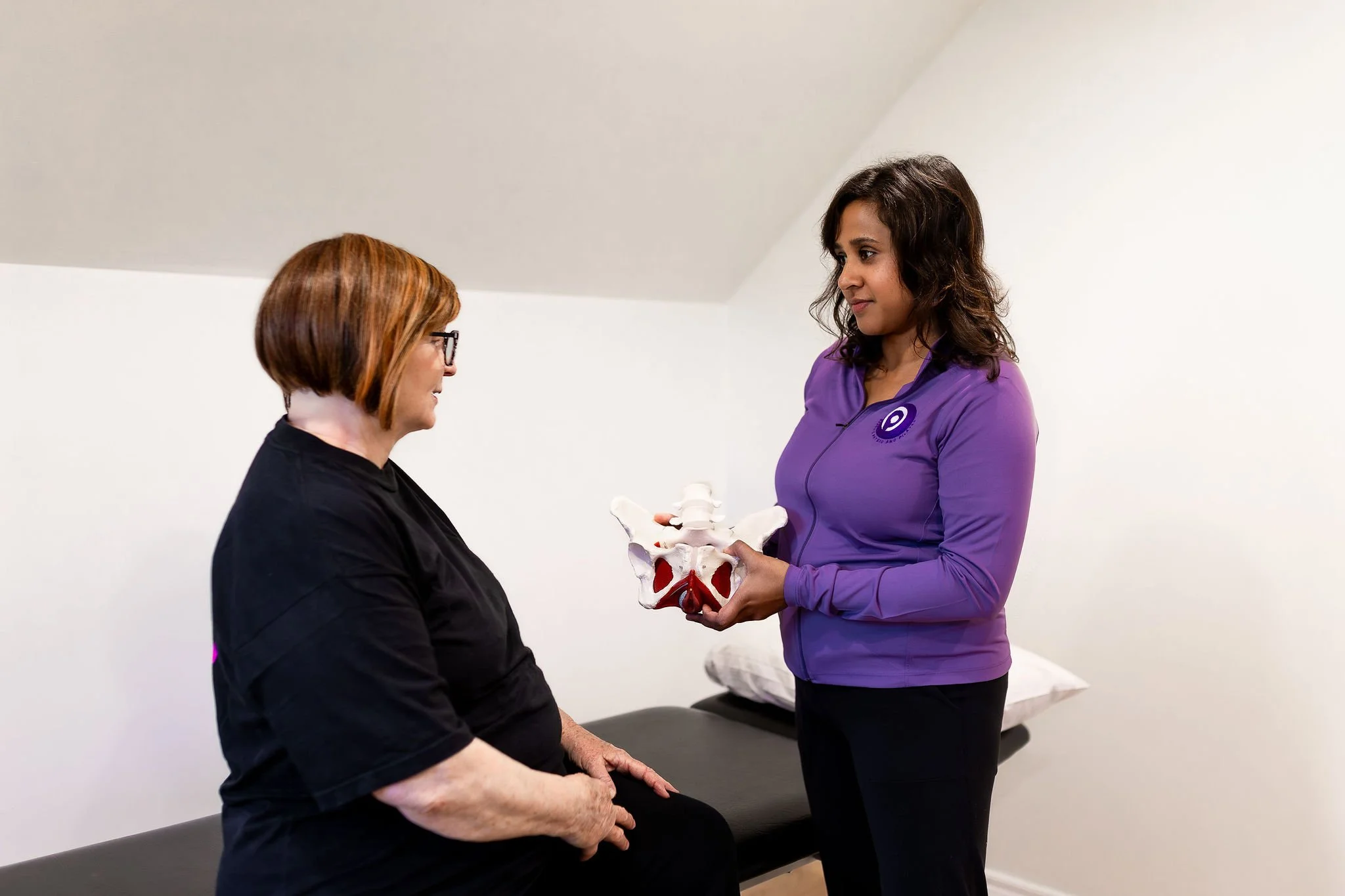
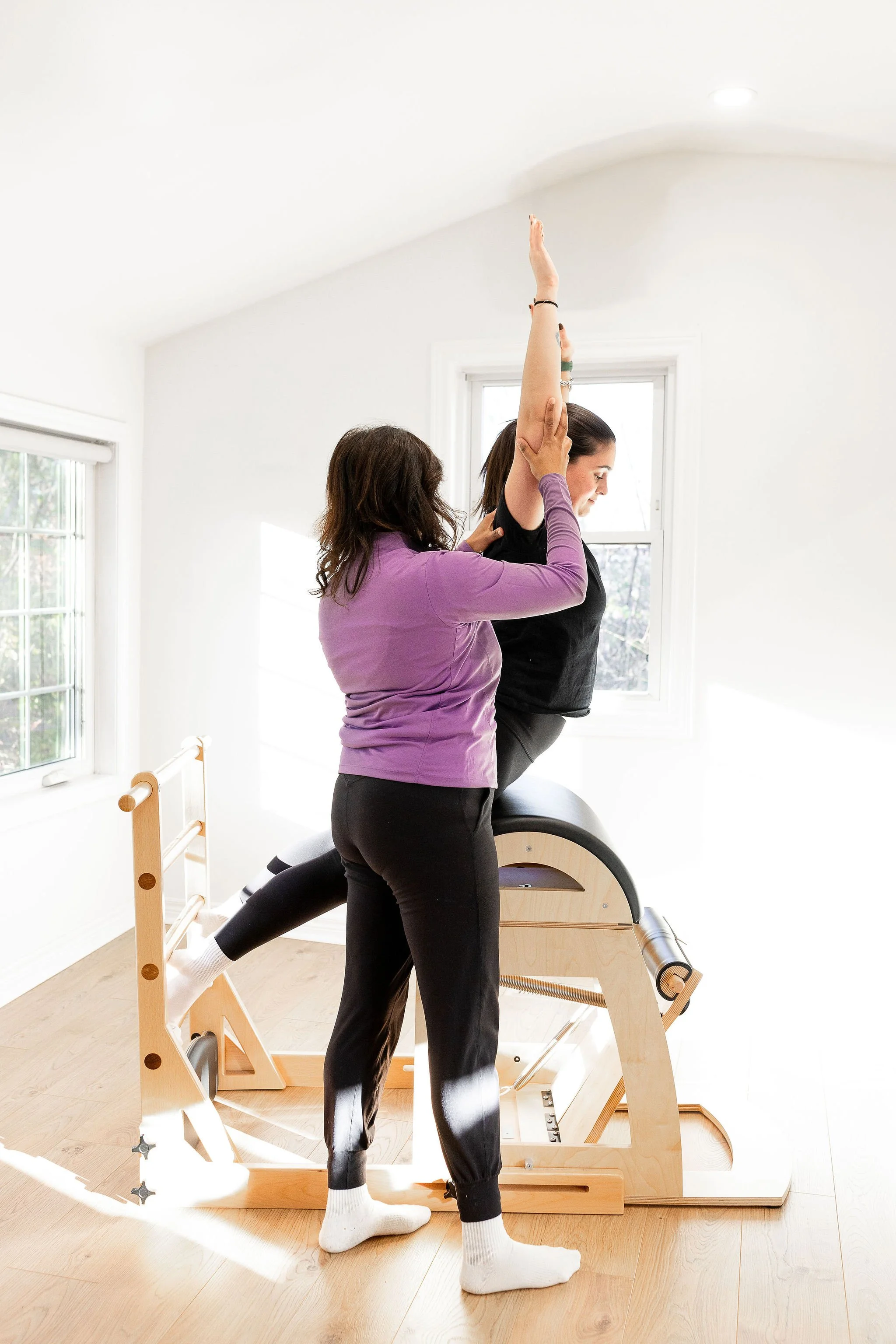
Your pelvic floor is a group of muscles and tissues at the base of your pelvis that supports your pelvic organs and plays an important role in bladder and bowel control, core stability, and sexual function. When these muscles aren't working as they should, you may experience symptoms such as urine leakage, pelvic discomfort, or difficulty relaxing the muscles. Pelvic floor physiotherapy helps you understand what's happening in your body and address your individual concerns through personalized care. Depending on your needs, treatment may include education, breathing and relaxation techniques, targeted exercises, movement guidance, and Clinical Pilates where appropriate, helping you feel more comfortable and confident in everyday life.

How Pelvic Floor Physiotherapy Can Help.
-
Leaking urine when you cough, sneeze, laugh, or exercise can be common, but that doesn't mean you have to accept it as part of everyday life. Pelvic floor physiotherapy may also help with urinary urgency, frequent urination, or difficulty coordinating your pelvic floor during bowel movements. Your treatment is tailored to your symptoms and may focus on muscle strength, relaxation, coordination, and practical strategies to help you feel more in control.
-
Pelvic floor concerns can sometimes contribute to pelvic pain, discomfort during intimacy, or difficulty relaxing the muscles. Physiotherapy can help you better understand these symptoms and work on the areas that may be contributing to them. Depending on your assessment, treatment may include relaxation techniques, breathing, gentle movement, and strategies to improve muscle coordination and comfort.
-
Pregnancy, childbirth, surgery, hormonal changes, and the demands of everyday life can all affect pelvic floor function. Physiotherapy can help you understand these changes, address symptoms, and work towards your goals, whether that means preparing for birth, recovering after delivery, returning to exercise, or feeling more comfortable in your daily routine. Your plan is based on your individual needs, rather than a one-size-fits-all approach.
Our Most Asked Pelvic Floor Physiotherapy Questions
-
Your first appointment begins with a conversation about your symptoms, health history, and what you'd like help with. Our physiotherapist may assess your breathing, posture, movement, and how your pelvic floor muscles function. Depending on your concerns, an internal pelvic floor assessment may be discussed to gather more information, but this is not automatically required. Our physiotherapist will explain your options, answer your questions, and work with you to develop a plan that feels appropriate for you.
-
Not necessarily. An internal examination may provide useful information about pelvic floor muscle strength, tension, coordination, or tenderness, depending on your symptoms. However, your care can begin with a discussion and other appropriate assessment methods. Any internal examination should be explained beforehand and only performed with your informed consent. You can ask questions, discuss your comfort level, and make decisions together with our physiotherapist.
-
You may benefit from pelvic floor physiotherapy if you experience urine leakage, bladder urgency, difficulty with bowel control, pelvic discomfort, pain during intimacy, or a feeling of heaviness or pressure in the pelvic area. It can also be helpful during pregnancy, after childbirth, or when returning to exercise. You don't need to wait until symptoms are severe to seek support. If something doesn't feel right or is affecting your daily life, a physiotherapist can help you understand your options and determine an appropriate next step.